Nonseries
There are 70 products in Nonseries
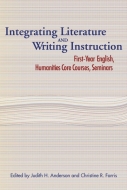
Integrating Literature and Writing Instruction
Judith H. Anderson and Christine R. Farris, colleagues at Indiana University and prominent scholars in literary studies and composition respectively, aim here to bridge the perceived division between the two disciplines. In a spirit of curricular collaboration, Integrating Literature and Writing Instruction presents an array of courses, mainly for non-English majors, that use literature in teaching first-year college students how to read, write, and think critically. Contributors teach at a range of institutions—from Research I and large state universities to small, selective colleges—and use different classroom approaches, some highly participatory and others combining lectures with small-group work. Divided into three groups, representing humanities core courses, courses that focus on literature, and courses that focus on cultural issues in relation to literature, the essays explore the use of a variety of literary texts, from Shakespeare’s sonnets to historical novels to detective fiction. Contributors offer imaginative assignments and innovative pedagogical techniques that can be adapted profitably in multiple courses and institutional contexts. The concluding section narrates the collaborative development of a course on language, metaphor, and textuality, which the editors offer as a successful model of what literature and writing instruction can accomplish together.
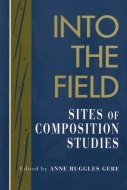
Into the Field
This collection brings together writings by thirteen scholars united in the belief that composition shapes other fields as much as it is shaped by them. In part 1, six essays examine the interaction of composition studies and various philosophical traditions, particularly hermeneutics; the six essays in part 2 discuss subjectivity from a postmodern perspective. Focusing on theoretical concerns, the authors also consider implications for teaching. The volume concludes with a forum in which the contributors raise questions about one another’s essays.
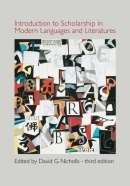
Introduction to Scholarship in Modern Languages and Literatures
The third edition of the MLA’s widely used Introduction to Scholarship in Modern Languages and Literatures features sixteen completely new essays by leading scholars. Designed to highlight relations among languages and forms of discourse, the volume is organized into three sections. “Understanding Language” provides a broad overview of the field of linguistics, with special attention to language acquisition and the social life of languages. “Forming Texts” offers tools for understanding how speakers and writers shape language; it examines scholarship in the distinct but interrelated fields of rhetoric, composition, and poetics. “Reading Literature and Culture” continues the work of the first two sections by introducing major areas of critical study. The nine essays in this section cover textual and historical scholarship; interpretation; comparative, cultural, and translation studies; and the interdisciplinary topics of gender, sexuality, race, and migrations (among others). As in previous volumes, an epilogue examines the role of the scholar in contemporary society.
Each essay discusses the significance, underlying assumptions, and limits of an important field of inquiry; traces the historical development of its subject; introduces key terms; outlines modes of research now being pursued; postulates future developments; and provides a list of suggestions for further reading. This book will interest any member of the scholarly community seeking a review of recent scholarship, while it provides an indispensable resource for undergraduate and graduate students of modern languages and literatures.
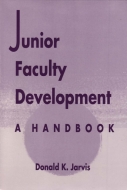
Junior Faculty Development
Junior Faculty Development is designed to encourage mentoring and developmental programs for junior professors. It also serves as a self-help manual for junior and senior faculty members at a variety of institutions, from junior colleges to research universities, and as a guide for job seekers who want to evaluate an academic institution’s developmental programs.
Jarvis has studied existing junior faculty development programs; interviewed over one hundred teachers, researchers, and administrators; and reviewed the fields of personnel and faculty development. This volume offers recommendations for incentives, evaluation techniques, and model programs that promote not only sound research and writing habits but also the art of good teaching and institutional citizenship.
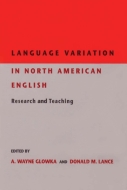
Language Variation in North American English
Why do people speak the way they do? And why does the way they speak make so much difference? This collection of essays on language variation offers fascinating answers to these intriguing questions and explores key issues in the field. Designed to help teachers and students in high school and college investigate the scope and implications of language variation in North American English, thirty-nine essays, all original, offer a wealth of practical advice and provide exercises and assignments as well as suggestions for classroom projects and fieldwork. The authors approach their subjects from a variety of fields, including dialectology, historical linguistics, sociolinguistics, and lexicography. Teachers, students, and language buffs alike will find an engrossing array of insights and ideas in this up-to-date study of a topic that has never been more pertinent than it is today.
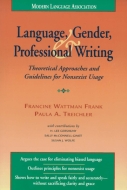
Language, Gender, and Professional Writing
A landmark book on language and sexism, Language, Gender, and Professional Writing explores biased usage in depth—its origins, its effect, the related controversies—and provides sensible and sensitive guidelines for nondiscriminatory speech and writing. Designed for scholars, teachers, students, professionals, and readers concerned with language, this book demonstrates the importance and value of avoiding biased language and stimulates its readers to think of language as a rich resource offering many alternatives to objectionable usage.
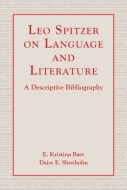
Leo Spitzer on Language and Literature
One of the most influential critics of the twentieth century, Leo Spitzer (1887–1960) published more than 1,000 books and articles in a number of languages, including Basque, Catalan, English, French, German, Italian, Portuguese, Provençal, Romanian, and Spanish.
Baer and Shenholm have compiled and annotated the first comprehensive bibliography of Spitzer’s scholarship. Researchers will find especially handy the chronology of books and monographs, which lists each item’s contents. The book concludes with indexes of names, titles, and words and phrases.
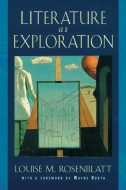
Literature as Exploration (5th edition)
Louise Rosenblatt’s Literature as Exploration has influenced literary theorists and teachers of literature at all levels. This edition features a new foreword by Wayne Booth, a new preface and retrospective chapter by the author, and an updated list of suggested readings.
In Literature as Exploration, Rosenblatt presents her unique theory of literature and focuses on the immense, often untapped, potential for the study and teaching of literature in a democratic society. The author’s philosophy of literature is frequently cited as the first presentation of reader-response theory, but she differs from her successors in emphasizing both the reader and the text. Her “transactional” theory of literature examines the reciprocal nature of the literary experience and explains why meaning is neither “in” the text nor “in” the reader. Each reading is “a particular event involving a particular reader and a particular text under particular circumstances.” And teachers of literature, Rosenblatt argues, play a pivotal role in influencing how students perform in response to a text.
Lost Texts in Rhetoric and Composition
A project of recovery and reanimation, Lost Texts in Rhetoric and Composition foregrounds a broad range of publications that deserve renewed attention. Contributors to this volume reclaim these lost texts to reenvision the rhetorical tradition itself. Authors discussed include not only twentieth-century American compositionists but also a linguist, a poet, a philosopher, a painter, a Renaissance rhetorician, and a nineteenth-century pioneer of comics; the collection also features some less-studied works by authors who remain well known. These texts will give rise to new conversations about current ideas in rhetoric and composition.
Manual MLA
Generación tras generación, los escritores confían en el MLA Handbook. Publicado por la Modern Language Association, este manual es la guía ideal para redactar textos académicos y documentar fuentes y el mejor recurso para toda persona que escribe trabajos de investigación con múltiples referencias a otros estudios. Esta nueva adaptación al español es una herramienta completa y necesaria para profesionales que necesitan dominar la redacción de textos técnicos, académicos o de negocios. Instrumento de vital ayuda para estudiantes, docentes, universitarios y bibliotecarios, el manual ofrece pautas uniformes y comprensibles para elaborar una prosa clara y atractiva, evaluar fuentes para citarlas y acreditarlas con precisión, y dar formato a cualquier trabajo de investigación. Con información relevante sobre
- gramática, puntuación, mayúsculas, ortografía, números y lenguaje inclusivo
- cómo crear citas dentro del texto, hacer un listado de obras citadas, crear notas al pie y notas finales
- cómo citar, parafrasear y resumir
- evitar el plagio
Esta edición incluye indicaciones específicas para dominar el español escrito, como el uso de los signos de puntuación—comas de enumeración, guiones o rayas—el uso de mayúsculas en títulos y subtítulos, la estilización de los apellidos o la colocación de otros signos de puntuación en relación con las comillas. Para ello, el Manual MLA ofrece cientos de ejemplos en español: citas de libros, artículos de revistas, sitios webs, películas y programas de televisión, entre otros.
Generations of writers have relied on the MLA Handbook, published by the Modern Language Association, for guidance on writing and on documenting sources. This new Spanish adaptation of the handbook is a comprehensive resource for Spanish-language writers of research papers and anyone citing sources, from business writers, technical writers, and editors to student writers and the teachers and librarians working with them. It establishes uniform, easy-to-follow guidelines that help writers craft clear and engaging prose, evaluate sources and accurately cite and credit them, and format research papers. It includes information on
- grammar, punctuation, capitalization, spelling, numbers, and inclusive language
- creating in-text citations, the list of works cited, and footnotes and endnotes
- quoting, paraphrasing, and summarizing
- avoiding plagiarism
Guidance unique to this edition includes matters of punctuation in Spanish, from the serial comma to hyphens and dashes; capitalizing titles and subtitles in Spanish and styling Spanish surnames; the placement of other punctuation marks in relation to quotation marks; and more. In the Manual MLA, readers will find hundreds of new Spanish-language examples—including citations for books, journal articles, websites, films, and television shows.
