Nonseries
There are 70 products in Nonseries
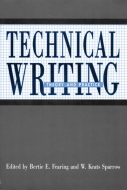
Technical Writing
This collection of essays by teachers and practitioners of technical writing addresses theoretical and practical issues facing instructors who teach advanced and introductory courses as well as those who plan curricula and direct programs.
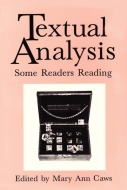
Textual Analysis
Theory meets practice as twenty-four distinguished scholars apply a variety of methodologies to many different literatures, including American, Danish, English, French, German, Italian, Japanese, Latin American, and Spanish. The texts range from Petrarch’s Song 126 and Cervantes’s La gitanilla to Zora Neale Hurston’s Their Eyes Were Watching God and Manuel Puig’s Kiss of the Spider Woman.
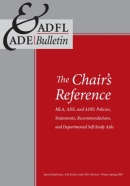
The Chair’s Reference
This special joint issue of the ADE and ADFL bulletins collects MLA, ADE, and ADFL recommendations, reports, and statements addressing issues of concern across the language and literature profession and the academy generally. It is intended to serve department chairs, faculty members, and students as a convenient reference. The topics, challenges, and problems membership committees have taken up in these documents include the conditions of academic employment, advice for job candidates and hiring committees, the status of digital technology, the task of departmental review, and standards for teaching and scholarship. Two MLA statements—on academic freedom and on professional ethics—frame the contents of this volume because they set the parameters within which faculty members conduct and pursue their teaching and scholarly activities.
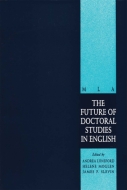
The Future of Doctoral Studies in English
Growing out of a conference of representatives of programs that grant the doctorate in English, this volume examines the profession and the ways that graduate students are socialized into it. The essays sketch the profession’s current views of the relation between reading and writing, addressing, in the words of the preface, “what it is that can now be said to constitute our discipline.”
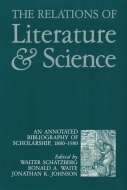
The Relations of Literature and Science
This annotated bibliography on the relations of literature and science is offered as a resource tool for literary scholars, historians of science, and historians of ideas who are working in this field, which has had a distinct identity in literary scholarship for over fifty years.
This volume is organized to move from the general to the particular; that is, from studies of the general relations between literature and science to studies of their relations during the various historical periods from classical antiquity to the present. Each period is divided into general studies and surveys and studies of individual authors.
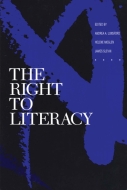
The Right to Literacy
“Literacy is a right and not a privilege: a right that has been denied to an extraordinary number of citizens.” Guided by this belief, the authors of the twenty-nine essays in The Right to Literacy discuss what literacy is, what keeps people from attaining it, and how we can help them attain it.
The essays in this volume were originally presented at the 1988 Right to Literacy Conference in Ohio, an event that brought together a wide variety of literacy workers—school and college teachers, superintendents, principals, tutors, lawyers, community volunteers, researchers, librarians, labor union officials, prison literacy project coordinators, and state humanities council members. Their analyses are provocative, scholarly, often witty, and—most of all—readable.
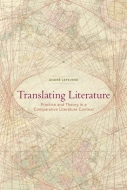
Translating Literature
Designed for courses on literary translation, Translating Literature discusses the process and the product of literary translation, incorporating both practical advice for translators and theoretical discussion on the role translations play in the evolution and interpretation of literatures. Exercises and examples highlight problems in translation.
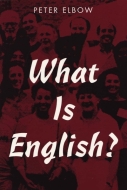
What Is English?
What Is English? is Peter Elbow’s challenging and very personal “picture of a profession that cannot define what it is.” Written in a lively and accessible style, What Is English? contains Elbow’s reflections on the 1987 English Coalition Conference and on its implications for the profession as a whole. Elbow identifies and tackles the major areas addressed by the conference:
- the question of what “English” means
- the place of theory in reading and writing
- the conflict between those who teach literature and those who teach writing
- the controversies surrounding the canon
- the nation’s increasing preoccupation with assessment
To include the voices of others who attended the conference, the book contains “interludes”—short pieces between chapters—in which teachers from all levels of instruction express their feelings and describe their experiences.
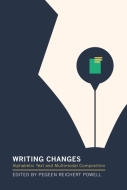
Writing Changes: Alphabetic Text and Multimodal Composition
Writing Changes moves beyond restrictive thinking about composition to examine writing as a material and social practice rich with contradictions. It analyzes the assumed dichotomy between writing and multimodal composition (which incorporates sounds, images, and gestures) as well as the truism that all texts are multimodal. Organized in four sections, the essays explore
- alphabetic text and multimodal composition in writing studies
- specific pedagogies that place writing in productive conversation with multimodal forms
- current representations of writing and multimodality in textbooks, of instructors’ attitudes toward social media, and of writing programs
- ideas about writing studies as a discipline in the light of new communication practices
Bookending the essays are an introduction that frames the collection and establishes key terms and concepts and an epilogue that both sums up and complicates the ideas in the essays.
