Nineteenth-Century American Activist Rhetorics
- Editors: Patricia Bizzell, Lisa Zimmerelli
- Pages: 348
- Published: 2020
- ISBN: 9781603295215 (Paperback)
- ISBN: 9781603295208 (Hardcover)
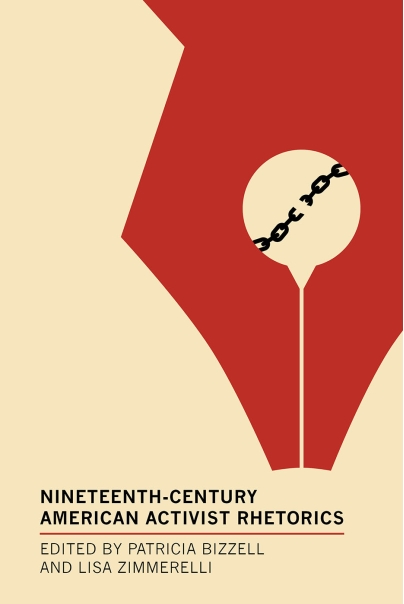

“For Bizzell and Zimmerelli, nineteenth-century American activist rhetorics is a topic teeming with possibilities for future research. . . . this is not a nineteenth century quietly cordoned off, but rather one whose debates and dreams of social reconstruction bleed into the present.”
—Rhetoric Review
In the nineteenth century the United States was ablaze with activism and reform: people of all races, creeds, classes, and genders engaged with diverse intellectual, social, and civic issues. This cutting-edge, revelatory book focuses on rhetoric that is overtly political and oriented to social reform. It not only contributes to our historical understanding of the period by covering a wide array of contexts—from letters, preaching, and speeches to labor organizing, protests, journalism, and theater by white and Black women, Indigenous people, and Chinese immigrants—but also relates conflicts over imperialism, colonialism, women’s rights, temperance, and slavery to today’s struggles over racial justice, sexual freedom, access to multimodal knowledge, and the unjust effects of sociopolitical hierarchies. The editors’ introduction traces recent scholarship on activist rhetorics and the turn in rhetorical theory toward the work of marginalized voices calling for radical social change.
Introduction (1)
Part One: Reframing Activist Issues
Kairos Matters: Reading Colin Kaepernick’s Protest through the Lens of Frederick Douglass’s “What to the Slave Is the Fourth of July?” (13)
“Wake Work”: Frances E. W. Harper, Ida B. Wells, and Embodied Black Feminist Rhetoric in Slavery and Its Aftermaths (26)
Analyzing the Methodist Debate over Women’s Preaching with the Classical Interpretive Stases (39)
Elizabeth Cady Stanton’s Rhetorical Missteps: Metonymy and Synecdoche in the Women’s Suffrage Arguments (51)
The Late Abolitionist Rhetoric of Margaret Fuller: How She Changed Her Mind (64)
The Rhetoric of Work and the Work of Rhetoric: Booker T. Washington’s Campaign for Tuskegee and the Black South (76)
“Nasty” Women, Progressive Causes, and the Rhetorical Refusals of Lillie D. White (89)
More Than Mere Display: Susie King Taylor’s Reminiscences of My Life in Camp with the 33d United States Colored Troops (101)
Arguing by Numbers: Charlotte Odlum Smith’s Fight for Recognition for Women Inventors (112)
Lucy Thompson’s Ethos and the Yurok Fish Dam Ritual (124)
Indigenous Speakers: “Race Traitors” or Rights Activists? (135)
Put It in the Papers: Rhetorical Ecologies, Labor Rhetorics, and the Newsboys’ Strike of 1899 (149)
Affection, Intimacy, and Labor Organizing: Queering Public Activism in the Long Nineteenth Century (163)
Part Two: Locating Rhetorical Activities
Caricatures versus Character Studies: Helen Potter’s Mimetic Advocacy for Women’s Rights (179)
Acting Like Rhetors: Women’s Rights in Amateur Theatrical Performances (192)
Embroidering History: The Gendered Memorial Activism of the Daughters of the American Revolution (207)
Beginning Again, Again: Monument Protest and Rhetorics of African American Memory Work (220)
Archiving Our Own Historical Moments: Learning from the Disrupted Public Memory of Temperance (234)
Aesthetic Daughter and Civic Mother: Collective Identity and the Visual-Verbal Rhetorics of the New Negro Woman (249)
Crypto-Feminist Enthymemes in the Periodical Texts of Louise Clappe and Fanny Fern (265)
Part Three: Listening for Contemporary Echoes
“Who Says What Is . . . Always Tells a Story”: White Supremacist Rhetoric, Then and Now (279)
The Rhetorical Legacies of Chinese Exclusion: Appeals, Protests, and Becoming Chinese American (290)
Cultivating Civic Interfaith Activism: Rhetorical Education at Andover Settlement House (304)
The Long Nineteenth Century and the Bend toward Justice (318)
Notes on Contributors (333)
“This book documents what we know about rhetorical activism in the American nineteenth century better than any previous edited collection or research monograph.”
—Peter Mortensen, University of Illinois, Urbana-Champaign
“Given the broad debates about the role of activism in academe and among public intellectuals, this collection is a timely contribution.”
—John K. Young, Marshall University
